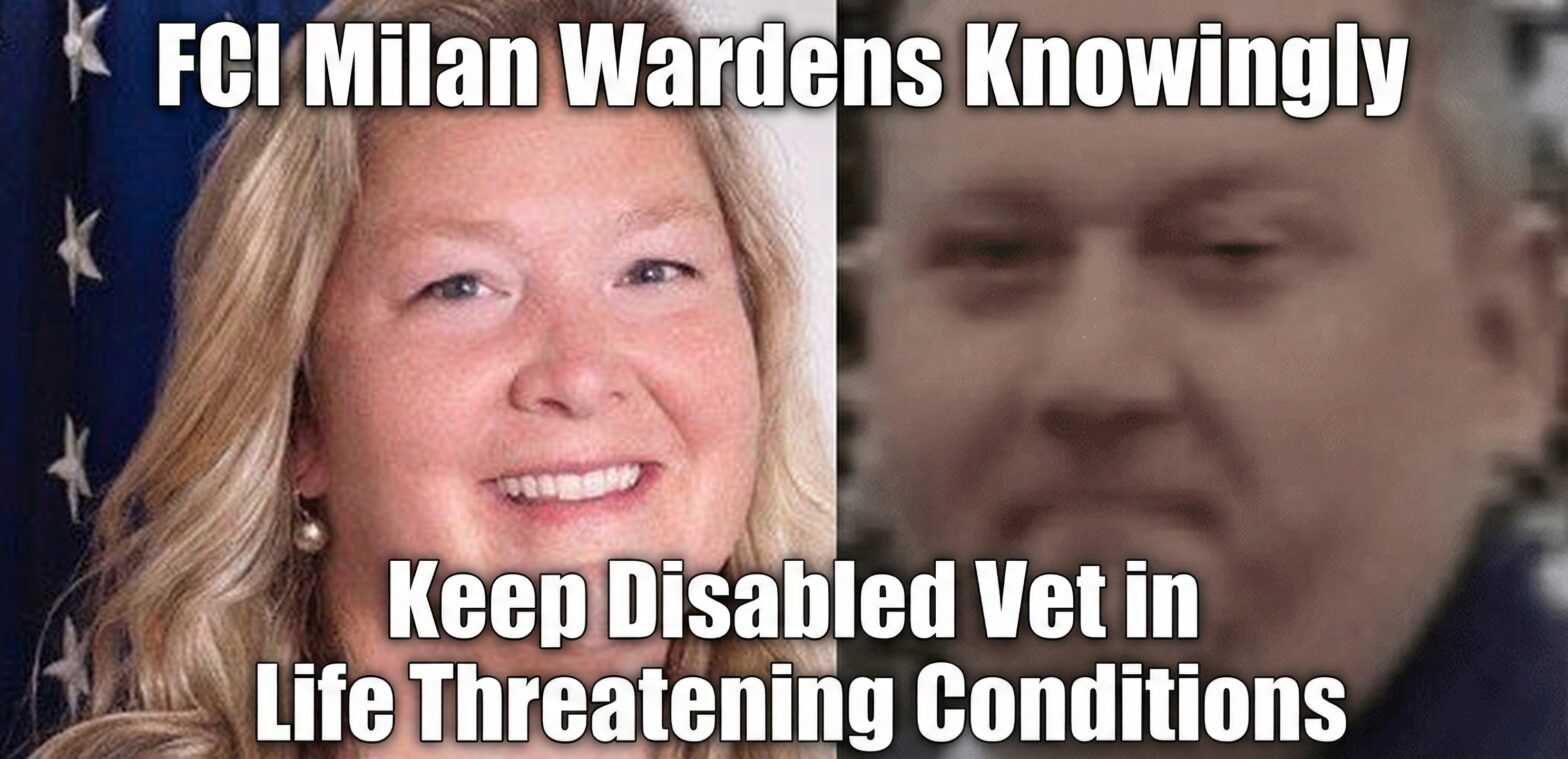
FCI Milan Should Feel Deep Shame
This is not a story about policy failure in the abstract.
This is about what happens to a disabled veteran when the people with power over his life are warned, in writing, in public, and in court, and still do nothing.
At FCI Milan, that power rests with Warden Eric Rardin and Associate Warden Mary Strassel.
They are not anonymous. They are not interchangeable bureaucrats. They are named officials who were placed on actual notice of a medical emergency involving Conrad Rockenhaus, a 100% disabled veteran with a traumatic brain injury and a seizure disorder, and who nonetheless allowed him to remain in conditions that were life-threatening.
Who Conrad Rockenhaus Is, and Why This Was Predictable
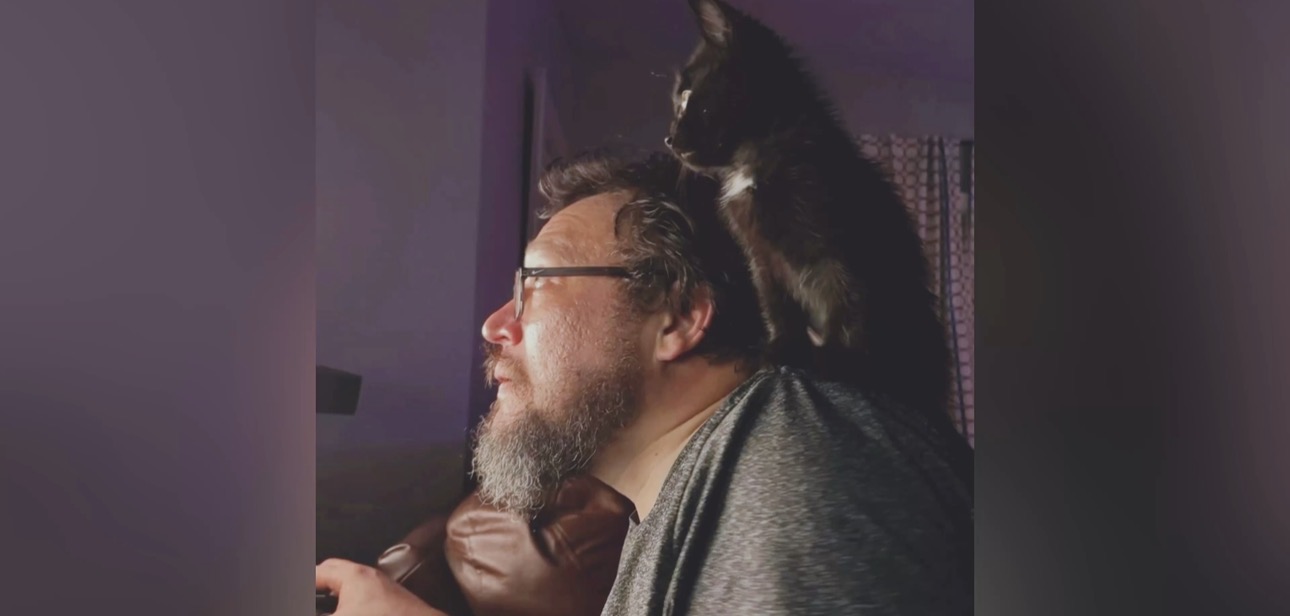
Conrad Rockenhaus is not “an inmate with complaints.”
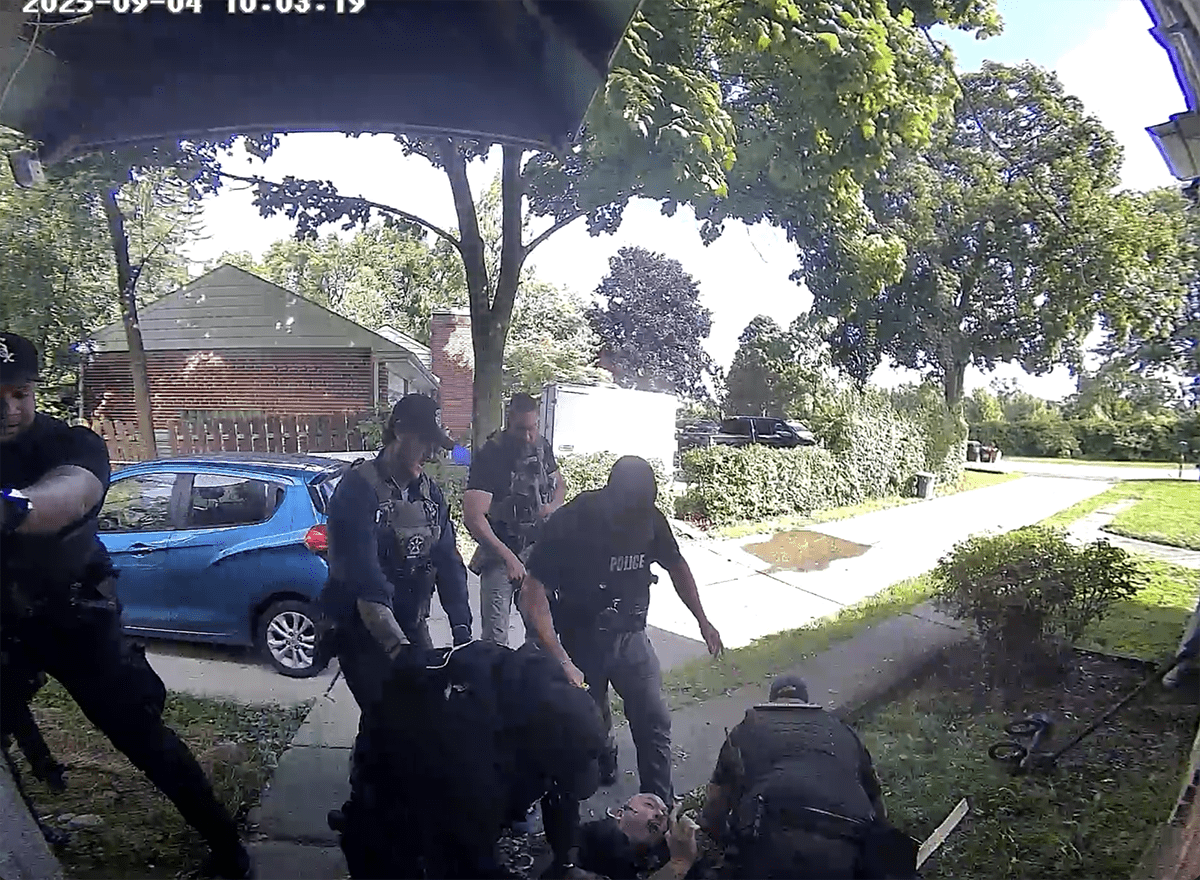
He is a combat veteran with a VA-rated traumatic brain injury (TBI) and a documented seizure disorder. Those conditions were known to federal authorities years before the events described here. U.S. Marshals had recorded knowledge of his TBI and seizures as early as 2019, before executing a “tactical breach” against him in September 2025.
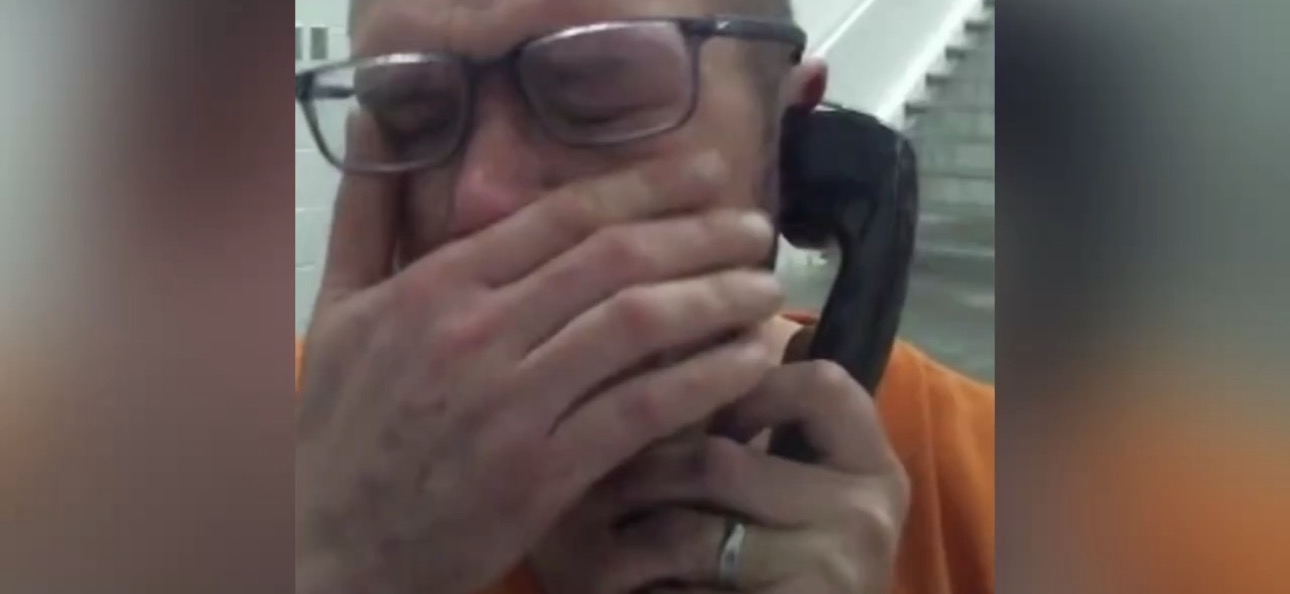
After that raid, Conrad suffered a new head injury and began experiencing uncontrolled seizures. What followed was not immediate medical stabilization, but placement in the Special Housing Unit (SHU), a form of solitary confinement widely recognized as dangerous for seizure patients.
This was not unforeseeable. It was predictable.
Actual Notice: Eric Rardin “Could No Longer Claim He Didn’t Know”
Warden Eric Rardin was placed on formal, public notice that Conrad was facing a life-threatening medical crisis at FCI Milan.
That notice included:
- Public postings naming Rardin and describing the TBI and seizure emergency.
- Formal litigation hold and preservation demands detailing the risk and the need for transfer to a medical facility.
- Viral dissemination of the medical fact sheet, making ignorance implausible.
Rather than transferring Conrad to a VA facility, or a facility capable of treating a Care Level 4 neurological patient, Warden Rardin kept him at FCI Milan, a Care Level 2 institution not licensed to provide that level of care.
Less than 24 hours after public attention focused on him by name, Conrad Rockenhaus was moved into the SHU, cutting off communication and placing him in an environment that increases the risk of SUDEP (Sudden Unexpected Death in Epilepsy).
This is not a paperwork dispute. It is deliberate indifference after notice.
Mary Strassel: The Transfer of Liability
When Warden Rardin set an out-of-office reply and left the institution at the end of December 2025, he directed urgent matters to Associate Warden Mary Strassel.
That handoff did not pause the Constitution.
Strassel was personally served with detailed information about Conrad’s condition:
- His 100% disability rating.
- His TBI and active seizure disorder.
- The fact that FCI Milan lacked the authority and capability to treat him.
- The imminent risk of death if he remained in solitary confinement.
Despite having the authority to order a transfer to a hospital or VA facility, Strassel did not act. By maintaining the status quo, she ratified the decision to keep a brain-injured veteran seizing in isolation rather than acknowledge the facility’s incapacity.
What “Horrors” Look Like in Practice
The filings and recordings show conditions that go far beyond discomfort:
- Medication sabotage: A BOP doctor reduced Conrad’s seizure medication dosage instead of treating his head injury, placing him at imminent risk of seizures or death.
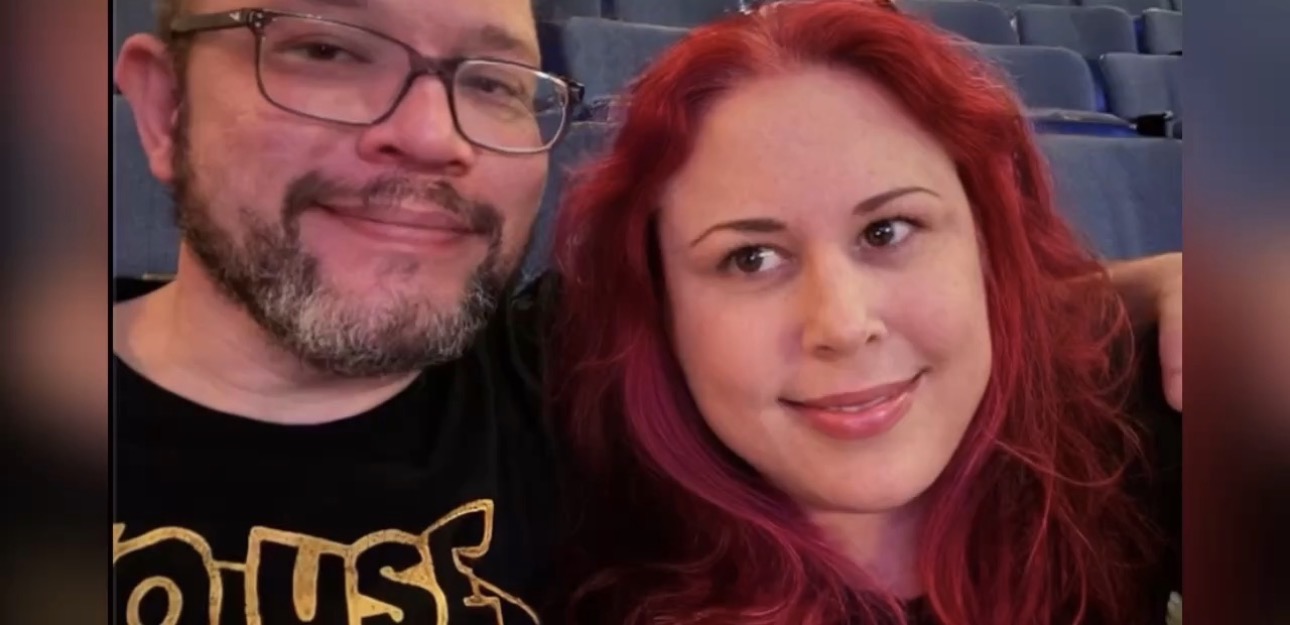
- Psychological intimidation: Conrad reported being transported by unidentified guards who whispered, stared, and made him fear for his safety and his wife’s, Adrienne’s, safety, That is deliberate psychological destabilization.
- Retaliation after complaints: Guards taunted Conrad using his wife’s former name, known to be linked to prior harassment, after she filed oversight complaints.
- Medical neglect compounded: In addition to seizure care, staff withheld prescribed arthritis medication, leaving him in untreated pain.
- Isolation as punishment: The SHU placement itself, unmonitored, isolating, and dangerous for a seizure patient, was used as retaliation rather than for safety.
These are not abstract “conditions of confinement.” They are specific acts and omissions that caused real suffering.
Silence After Notice Is Not Neutral
What makes FCI Milan’s conduct so alarming is not merely that harm occurred, but that it still continues after repeated notice and public outcry.
By September 19, 2025, the government had been formally served with evidence of medical neglect and constitutional violations, removing any claim of ignorance as a defense.
When harm continues after that point, the issue is no longer mistake. It becomes a vile choice.
Why Naming Names Matters
Systems don’t decide to leave a man seizing in a concrete box.
People do.
Naming Wardens Eric Rardin and Mary Strassel is not harassment. It is how accountability begins when institutional language tries to dissolve responsibility into process.
If the allegations are false, they deserve independent investigation and rebuttal.
If they are true, silence compounds the harm.
Either way, naming the officials with authority is essential.
Conclusion
FCI Milan is not being accused here of abstract failure.
It is being proven over and over by sworn declarations, documentation, video, recordings, and public notices, of knowingly keeping a disabled veteran in conditions that place his life at risk.
Wardens Eric Rardin and Mary Strassel were warned. They know.
They were given details.
They had authority.
When wardens know, and do nothing, the prison itself becomes the weapon.